Introduction
In today's rapidly developing digital landscape, the demand for individualized experiences is more pronounced than ever. Users expect their interactions with websites and applications to be tailored to their choices, behaviors, and requires. This expectation has actually generated a brand-new paradigm in web development-- one that highlights personalization and personalization as core concepts. In this post, we will delve deep into The Power of Personalized Experiences in App and Web Development, exploring its ramifications for companies, users, and the future of technology.
The Power of Personalized Experiences in App and Web Development
Personalization is no longer just a luxury; it's a necessity. Custom-made web development services take advantage of user information to create experiences that resonate on an individual level. But what does this appear like in practice?
Understanding Personalization
At its core, customization describes the process of customizing content and experiences based upon user data. This can consist of anything from suggested products on e-commerce platforms to tailored landing pages that cater particularly to a visitor's interests.
Types of Personalization
Behavioral Personalization: Uses past behavior to inform future recommendations. Demographic Personalization: Tailors material based upon age, place, gender, etc. Contextual Personalization: Adjusts experiences based on the user's environment or context (e.g., device type). Psychographic Personalization: Concentrate on user interests and values for deeper engagement.Why Personalization Matters
With countless choices readily available online, services need to separate themselves to record attention. Individualized experiences not just enhance user engagement but likewise drive conversion rates significantly.
Key Advantages of Personalization
- Increased User Engagement Higher Conversion Rates Improved Customer Loyalty Enhanced User Experience
How Personalization Works in Web Development
Implementing customization requires a thoughtful approach to style and advancement. Here's how it typically unfolds:
Data Collection: Making use of analytics tools to collect user data. Segmentation: Dividing users into groups based on shared characteristics. Content Delivery: Tailoring material using AI-powered algorithms that anticipate user preferences.The Function of AI-Powered Business Automation
Artificial Intelligence (AI) plays a vital function in refining customization efforts throughout app and web development.
Benefits of AI in Personalization
- Predictive Analytics: AI can examine vast amounts of data rapidly to forecast user behavior. Dynamic Material Generation: Automates the development of customized material in real-time.
Examples of AI-Powered Tools for Personalization
- Chatbots for client support Recommendation engines for e-commerce sites Personalized email marketing campaigns
Integrating AI with Custom Web Advancement Services
To harness the full potential of AI-driven personalization, companies can team up with a digital https://arthurdskl815.almoheet-travel.com/enhancing-e-commerce-for-maximum-conversion-rates-and-consumer-retention marketing firm Bay Area concentrating on custom solutions that line up with their unique goals.
Web Design & Advancement Best Practices for Personalization
Creating individualized experiences doesn't take place over night; it requires tactical planning and execution.
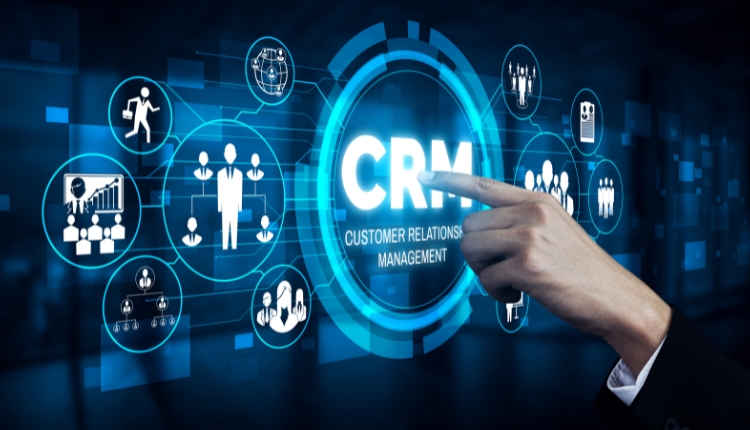
Essential Aspects for Effective Personalized Design
User-Centric UI/UX Design: Prioritize ease-of-use based upon user feedback. Responsive Style: Ensure optimal experiences across different devices. Fast Load Times: Speed is essential for maintaining users' attention.Incorporating SEO Services into Customized Experiences
Search Engine Optimization (SEO) plays a crucial role in ensuring customized content reaches the best audience effectively.
Strategies for Integrating SEO with Personalization
- Use keyword research to recognize what your audience is browsing for. Optimize landing pages based upon regional SEO strategies.
Personalized E-Commerce Advancement Strategies
E-commerce platforms are prime candidates for carrying out tailored experiences.
Tailoring Shopping Experiences
Product Recommendations: Execute algorithms that recommend products based upon previous purchases or searching history. Dynamic Rates Designs: Adjust prices according to user behavior or demand.Enhancing Checkout Processes through Personalization
Streamlining checkout by remembering users' previous orders or payment techniques can significantly minimize cart abandonment rates.
Leveraging Data Analytics Tools for E-Commerce Success
Utilize analytics tools like Google Analytics or Hotjar to track user behavior and fine-tune customization techniques accordingly.
Mobile App Advancement & Personalization Techniques
As mobile use continues to increase, so does the requirement for individualized app experiences.
Creating Engaging Mobile Experiences
Push Notices: Send targeted messages based upon user activity. Location-Based Services: Offer promotions relevant to users' geographical locations.User Feedback Loops in Mobile Apps
Regularly obtain feedback from users through studies or scores within the app can lead directly to enhanced features customized particularly to their needs.
Maintaining Privacy While Customizing Experiences
Balancing Modification with Security Concerns
With increasing awareness around personal privacy issues, services must tread carefully when gathering personal details:
Transparency: Plainly interact how data will be used. Compliance: Adhere strictly to guidelines like GDPR or CCPA concerning information protection.User Authorization Management Systems
Implement systems that allow users manage over their information authorizations can construct trust while preserving efficient personalization strategies.

FAQs about The Power of Customized Experiences in App and Web Development
1. What is customization in web development?
Personalization involves customizing website material and performances based on specific user choices and habits, enhancing their general experience while engaging with your platform.
2. How does AI contribute to tailored app development?
AI examines large datasets rapidly, permitting designers to create vibrant material tailored particularly for specific users-- automatically adjusting tips based on real-time interactions.
3. Why ought to organizations buy personalized web experiences?
Personalized experiences lead straight to increased engagement rates, greater conversion rates, improved client loyalty, and eventually greater company success due to boosted fulfillment levels amongst users.
4. Can I carry out customization without comprehensive coding knowledge?
Yes! Many modern-day web structures offer plugins or modules that streamline integration procedures concentrated on customizing aspects without requiring innovative programs skills.
5. How do I guarantee my individualized strategy adheres strictly towards personal privacy laws?
Regularly evaluation compliance requirements related specifically towards information collection practices within your industry; think about seeking advice from legal experts if necessary!

6. What are some common pitfalls when developing individual experiences online?
Overpersonalizing-- making presumptions about what users want without appropriate research study leading them feeling overwhelmed or gotten into-- can backfire amazingly if left unchecked.
Conclusion
The landscape of app and web development is moving dramatically as customers significantly require more personalized interactions with brands online; nevertheless striking this balance requires cautious thoughtfulness together with innovative technology services like AI-powered organization automation tools created clearly around these concepts! By welcoming The Power of Individualized Experiences in App and Web Advancement today-- not only will business open new paths towards continual growth-- but they'll also promote deeper connections in between themselves & & their consumers along every action taken together moving forward!